

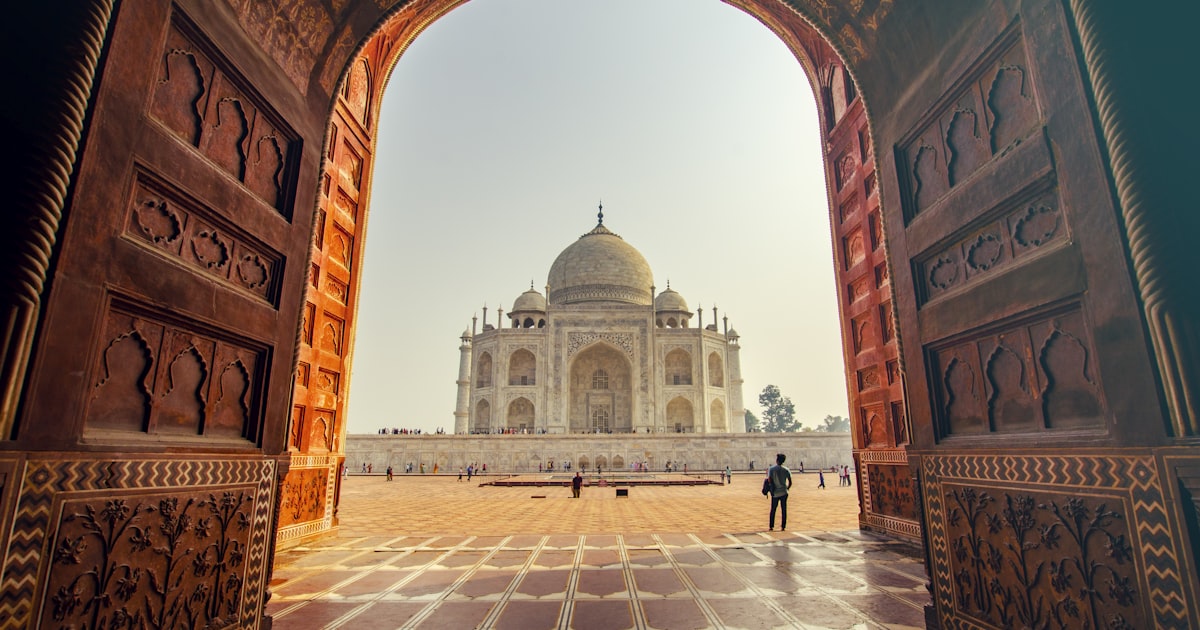
Ramadan 2026 Dates and Fasting Hours in Iran
Ramadan 2026 in Iran is expected to begin around February 17-18 and conclude around March 18-19, 2026, with Eid al-Fitr celebrated immediately after. The exact start depends on the official moon sighting in Iran.
Daily fasting lasts approximately ~13h, starting at the Fajr (dawn) prayer and ending at Maghrib (sunset). Because Ramadan 2026 falls during late winter in the Northern Hemisphere, fasting hours are shorter and more manageable than summer Ramadans — a genuine plus for travelers exploring during daytime.
The Eid al-Fitr public holiday in Iran typically lasts 2 days, during which government offices, banks, and many businesses close. Tourist attractions and hotels usually stay open, though hours may be adjusted.
Getting to Iran: Flights and Airports
Iran's main airports are Imam Khomeini Intl (IKA), Mashhad Intl (MHD), Isfahan (IFN). The primary carriers operating routes include Iran Air, Mahan Air.
During Ramadan, flight schedules generally remain unchanged, though demand often spikes in the final week before Eid al-Fitr as families travel to celebrate together. If you're planning to fly to Tehran during this period, booking at least 4-6 weeks in advance is strongly recommended to secure reasonable fares and preferred seat selection.
Turkish Airlines operates one of the widest international networks connecting through Istanbul, making it a convenient option for reaching Iran from virtually anywhere in the world.
What Ramadan Looks Like in Iran: Traditions and Daily Life
Nazri tradition — families cook large pots of food and distribute to anyone passing by; recitation of Quran in mosques across Isfahan and Shiraz; Mashhad pilgrimage increases; saffron tea and dates for iftar
For visitors, the iftar hour (sunset meal) is the highlight — restaurants, street stalls, and community tents come alive with dishes you won't find during the rest of the year. In Iran, this typically means gathering spots fill up quickly, so arriving 30-45 minutes before the call to prayer is a smart move.
Mornings and early afternoons tend to be quiet. Many shops and businesses open later or operate reduced hours. This can actually work in a traveler's favor — popular attractions have smaller crowds, and there's a peaceful quality to Tehran that's hard to find at other times of the year.
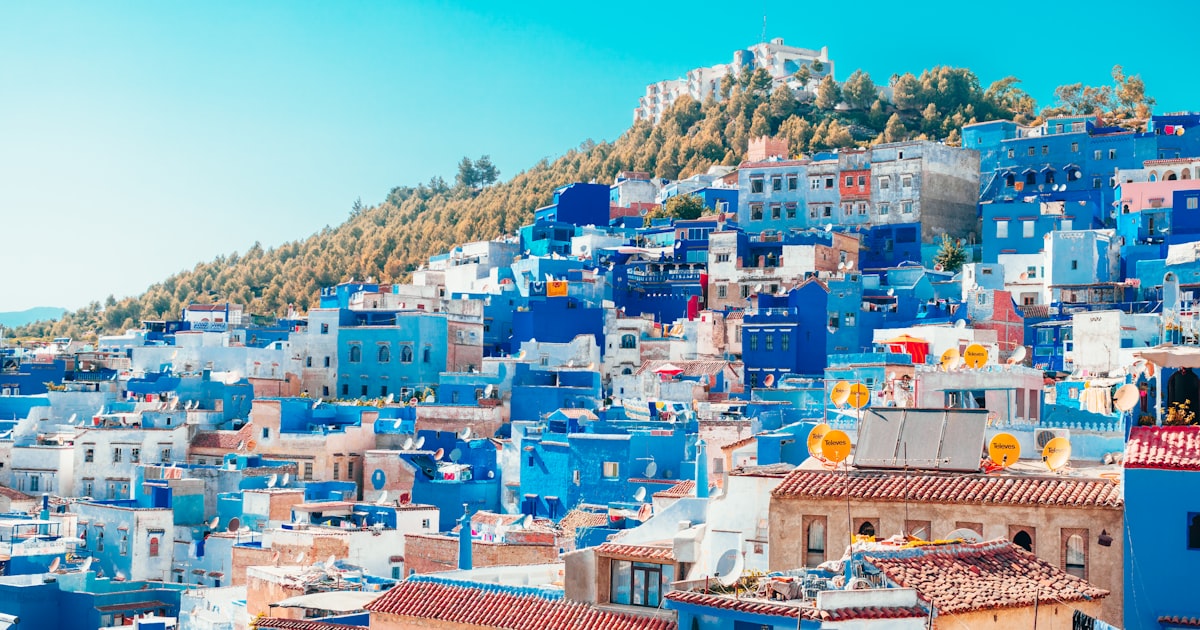
Travel Tips for Visiting Iran During Ramadan 2026
Iran's Ramadan is observed strictly in public spaces — no eating, drinking, or smoking outdoors; bazaars shift to late afternoon-to-midnight hours; stunning architecture best visited in morning light
Here are additional pointers to help you navigate Iran comfortably during the holy month:
- Dress modestly — this shows respect and is especially appreciated during Ramadan. Loose, covering clothing for both men and women goes a long way.
- Carry snacks and water in your bag for daytime energy, but consume them discreetly in private settings rather than on the street.
- Adjust your schedule — embrace the Ramadan rhythm by resting during midday and coming alive in the evening when the city does.
- Try the local iftar — many restaurants offer special Ramadan set menus at excellent value. It's one of the best food experiences you can have in Iran.
- Be patient — service may be slower during fasting hours, and that's completely normal. Staff are fasting too.
Visa and Entry Requirements
Visa on arrival at major airports for many nationalities. The local currency is Iranian Rial (IRR), and the timezone is IRST (UTC+3:30).
Always verify visa requirements with Iran's embassy or consulate before booking flights, as policies can change. Some countries offer Ramadan-specific promotions for religious tourism, particularly for Umrah visitors to Saudi Arabia.
Explore More Airline Office Locations
If you're booking flights to Iran for Ramadan 2026, these airline office guides may help with your travel planning:
- Turkish Airlines Nairobi Office
- Turkish Airlines Tbilisi Office
- Aegean Airlines Tehran Office
- Aegean Airlines Istanbul Office
- Aeroflot Baku Office
Ramadan 2026 Travel Guides for Other Countries
Exploring multiple destinations this Ramadan? Check out our travel guides for other Muslim-majority countries:
- Ramadan 2026 in Jordan – Flights & Travel Guide — fasting hours: ~13h, capital: Amman
- Ramadan 2026 in Kosovo – Flights & Travel Guide — fasting hours: ~13h, capital: Pristina
- Ramadan 2026 in Mozambique – Flights & Travel Guide — fasting hours: ~12.5h, capital: Maputo
- Ramadan 2026 in Turkmenistan – Flights & Travel Guide — fasting hours: ~13h, capital: Ashgabat
Frequently Asked Questions
Can tourists eat during daytime in Iran during Ramadan?
Policies vary. In Iran, eating in public during fasting hours is restricted by law — visitors should eat in private or in designated areas.
What is the local currency in Iran?
The currency is Iranian Rial (IRR). ATMs are available in Tehran and major cities, though credit cards are widely accepted in hotels and larger establishments.
When does Ramadan 2026 start in Iran?
Ramadan 2026 is expected to begin around February 17-18 and end around March 18-19, depending on moon sighting in Iran. Eid al-Fitr follows immediately after.
How long are fasting hours in Iran during Ramadan 2026?
Fasting in Iran lasts approximately ~13h per day. Since Ramadan 2026 falls in February-March, fasting hours are moderate compared to summer months.
How many days is the Eid holiday in Iran?
The Eid al-Fitr holiday in Iran is typically 2 days. Government offices and many businesses close during this period, though tourist facilities generally remain operational.
Ramadan 2026 in Iran offers a travel experience that blends spiritual depth with cultural immersion. Whether you're drawn by faith, food, or curiosity, timing your visit with the holy month opens doors that stay closed the rest of the year. Plan ahead, respect the local customs, and you'll come away with memories — and probably a few extra kilos from all that incredible iftar food — that last a lifetime.









Leave a Reply